Table of Contents
Getting approved is one milestone. What you do in the months afterward determines whether your next application looks like this one — or looks a lot better.
This is the last stop in our bad credit loans series — if you started with understanding your credit score and worked through to approval, this is where that effort compounds.
Why the Loan Itself Can Help Your Score
Taking out an installment loan and paying it on time actually helps two of the five factors covered in how credit scores are calculated: payment history and credit mix. This is part of why a loan, used responsibly, can be a credit-building tool rather than just a financial obligation.
The First 90 Days Matter Most
Set up automatic payments if your lender allows it, or a recurring calendar reminder if not. A single missed payment in the first few months does disproportionate damage to a still-recovering score, since payment history is the heaviest-weighted factor.
Avoid new hard inquiries. Resist applying for additional credit right after taking out a loan — multiple inquiries close together compound the temporary score dip, for reasons covered in why loan applications get rejected.
Keep other balances low. If you also have credit cards, keeping utilization low alongside your new installment loan gives you the benefit of a healthier credit mix without the drag of high revolving balances.
Tracking Progress the Right Way
Check your credit report periodically (not just your score) to confirm the loan is being reported accurately and on time — reporting errors are more common than most borrowers expect, and they’re easier to fix early than after months of inaccurate history.
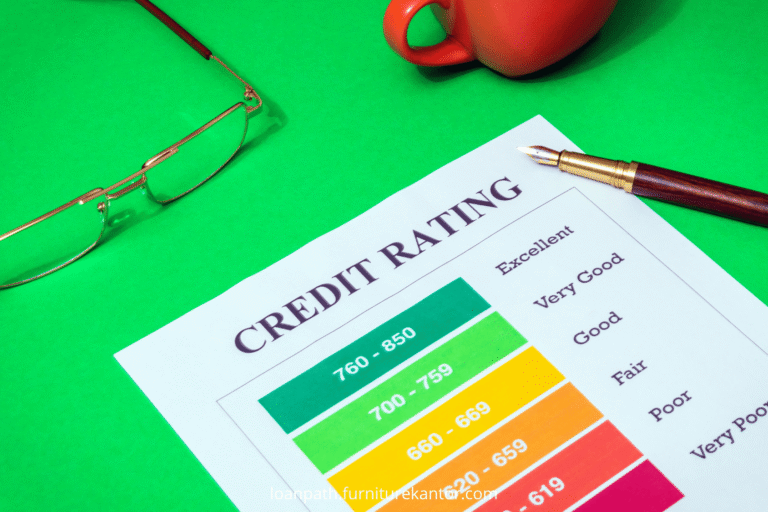
Expect gradual movement rather than a dramatic jump. Most borrowers who stay consistent see measurable improvement within 6–12 months, which lines up with what we noted in the bad credit loans guide: scores respond to sustained behavior, not single actions.
What Better Credit Actually Unlocks
Once your score moves into a higher range, refinancing your current loan at a better rate may become an option — worth revisiting the fee considerations from how to read a loan offer before committing to a refinance, since prepayment penalties can offset the benefit.
Beyond loans, a stronger score also improves terms on everything from car insurance premiums to apartment applications in many states — the value of the work extends well past the original loan.
This article is for informational purposes only and does not constitute financial advice. Consult a licensed financial advisor or credit counselor for a plan tailored to your situation.